Districts Static
from €125/ month
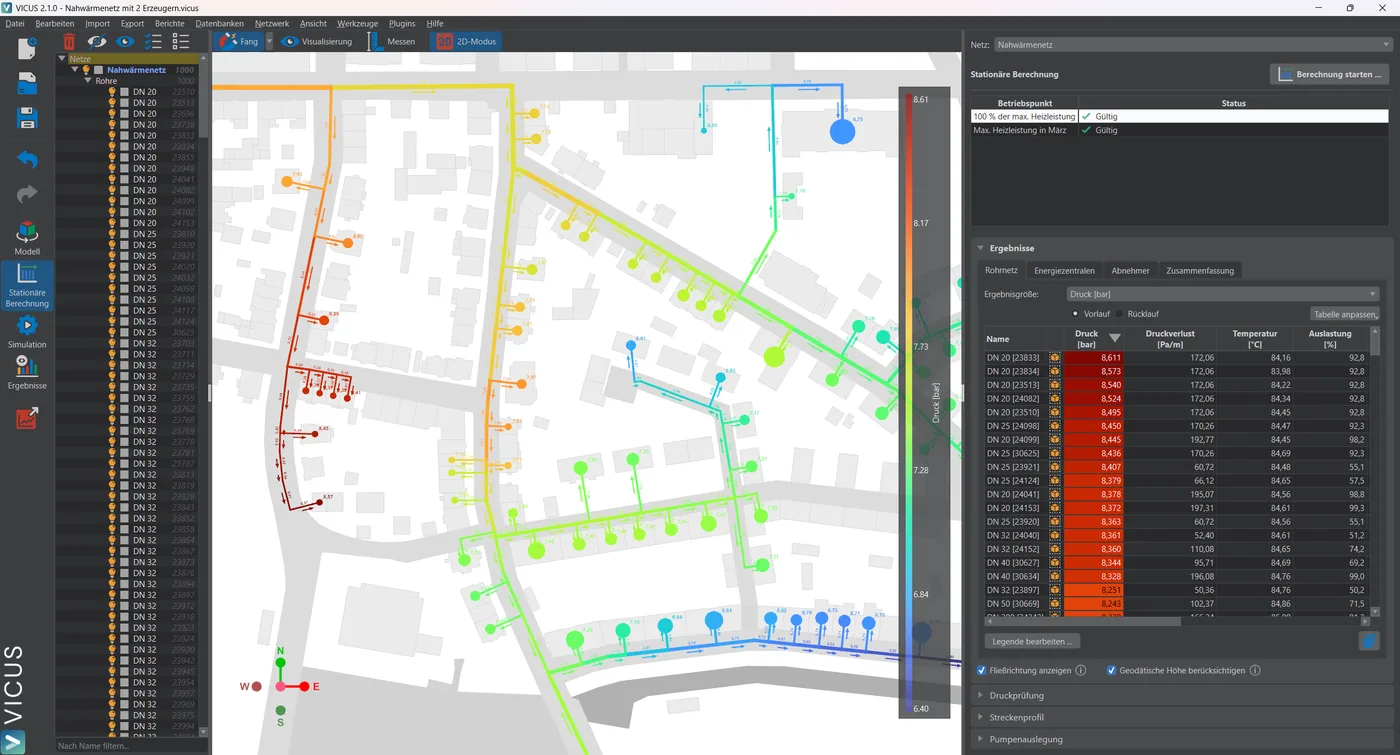
Steady-state calculation: network planning, sizing, pressure loss.
See pricesHeat network planning
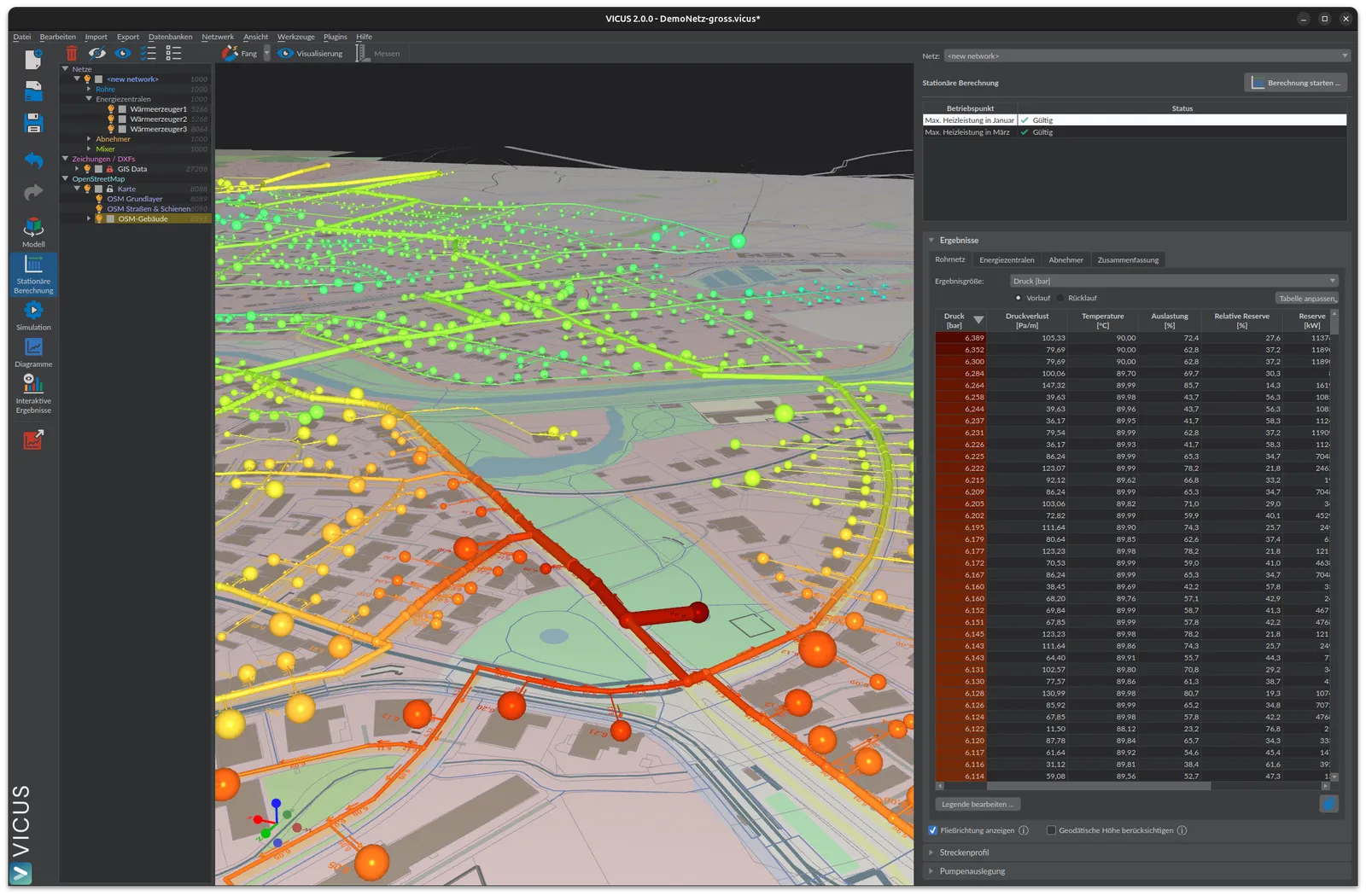
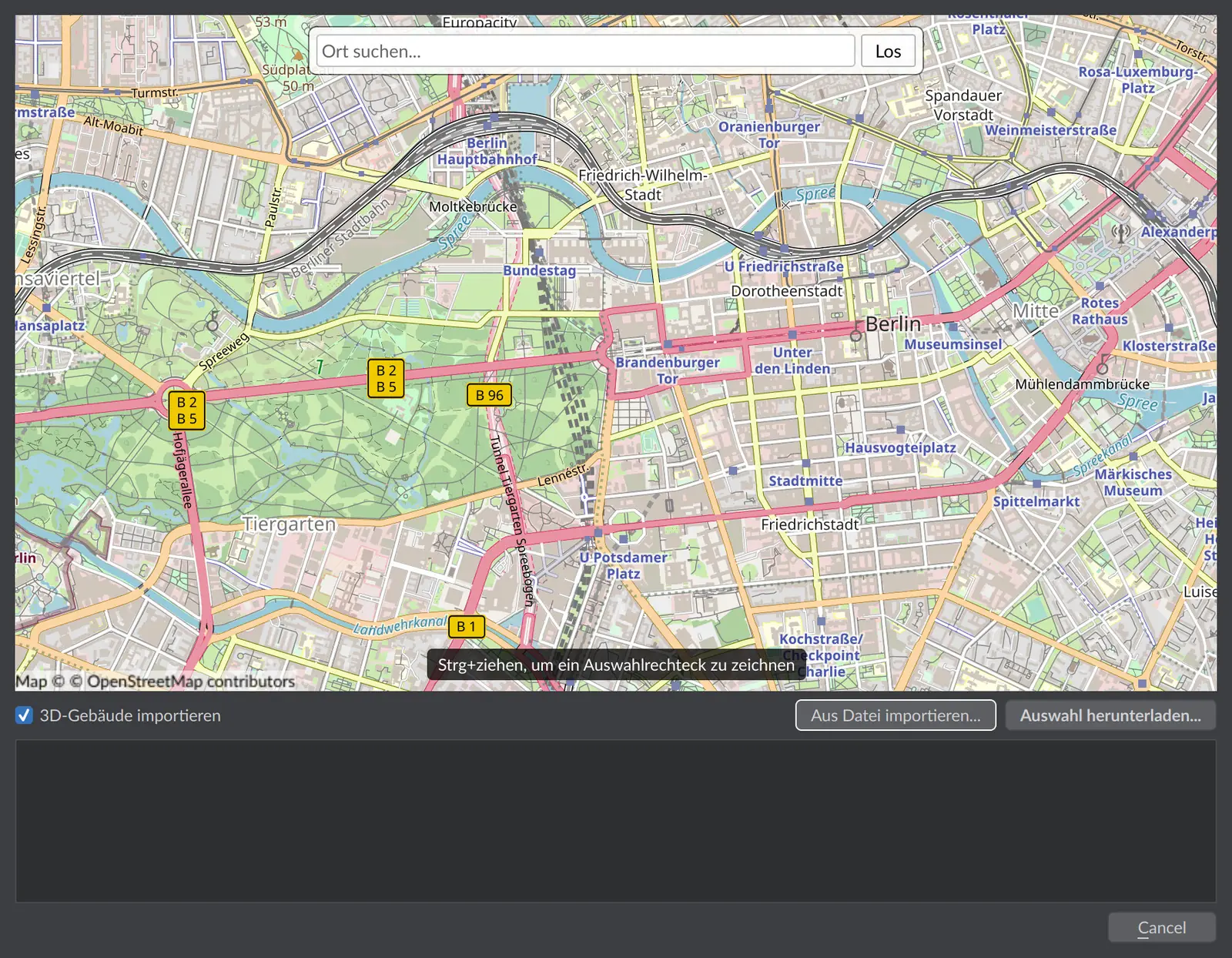
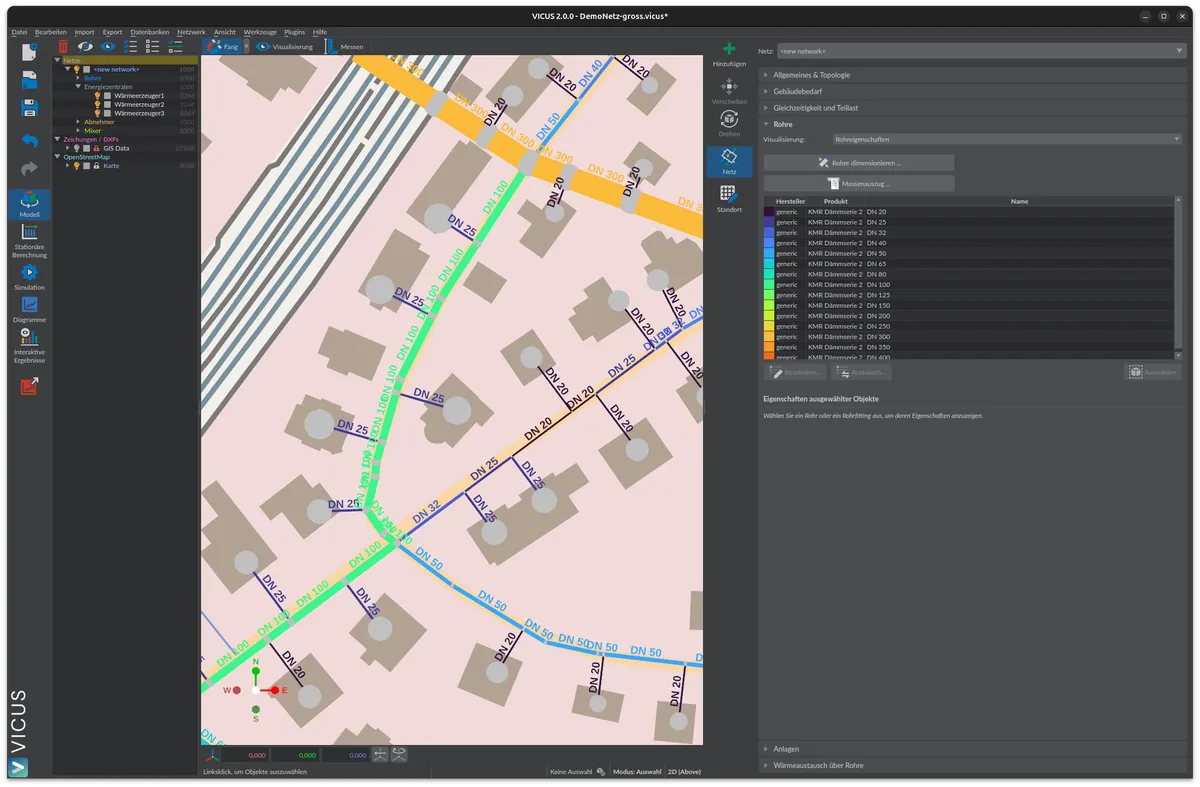
For utilities, energy providers and engineering firms: take over the area from OSM, ALKIS or GIS, size the pipe network, calculate steady-state and dynamically – and generate the network report straight from the project.
Windows & Linux · full feature set · no commitment
Workflow
Scope
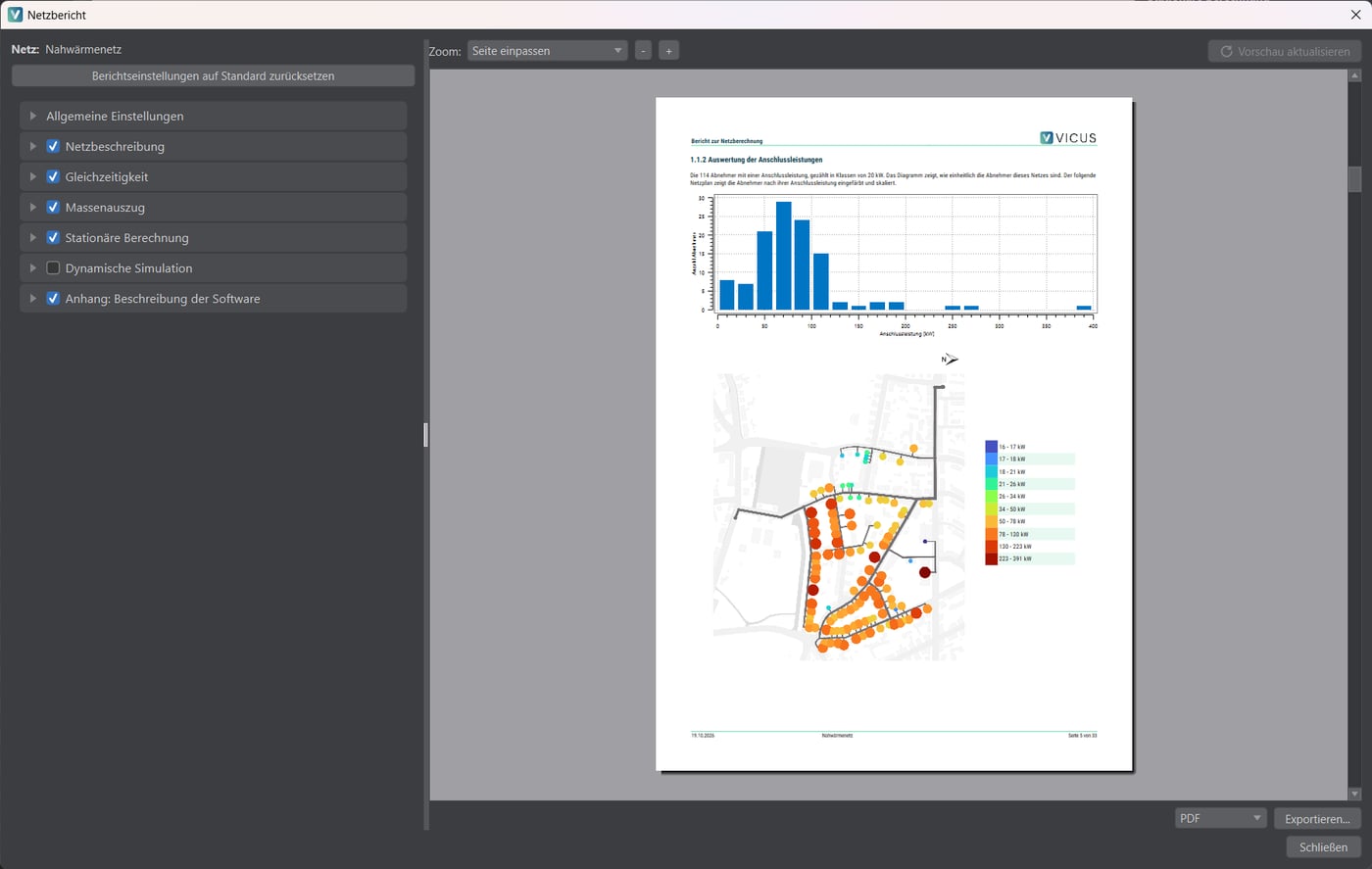
One tool from the route sketch to the thermo-hydraulic annual simulation, computed locally on your machine. How utilities work with it is shown on the page on municipal heat planning; for quick estimates there are free online calculators.
All features in detail →In practice
»With VICUS Districts we were able to precisely determine the heat gains of our low-temperature network – and prove that the project is economically viable compared to insulated networks.«
»The steady-state analysis capabilities and the detailed ground model are unique. We haven’t found anything comparable in any other software.«
»VICUS Districts is now our standard tool at tewag. It convinces us with its intuitive usability, high flexibility and the dynamic coupling of components.«
Pricing & getting started
from €125/ month
Steady-state calculation: network planning, sizing, pressure loss.
See pricesfrom €242/ month
Adds the thermo-hydraulic annual simulation, heat losses and gains, geothermal sources.
See prices30 daysfree
Full feature set on Windows and Linux. Decide afterwards.
Try nowTiers by number of consumers: up to 100, 300 or 1,000 – larger networks on request.
New features, tutorials and updates delivered to your inbox.
Hi! Questions about VICUS Buildings, Districts or Climate? Happy to help.
AI-generated — when in doubt, book a demo or get in touch. With cookie consent, questions are stored anonymously to improve the assistant.